About Angola
Angola is the cradle of civilizations that, long before modern borders, had already erected complex and sophisticated social structures. The true history of the territory is told by the wisdom of the Kingdoms of Kongo, Ndongo, Matamba, Lunda, and the Kasanje Kingdom, where governance was exercised with diplomacy, military strategy, and deep respect for lineage. Sovereignty resided in the spiritual connection to the land and the authority of leaders who united peoples under prosperous justice and trade systems.
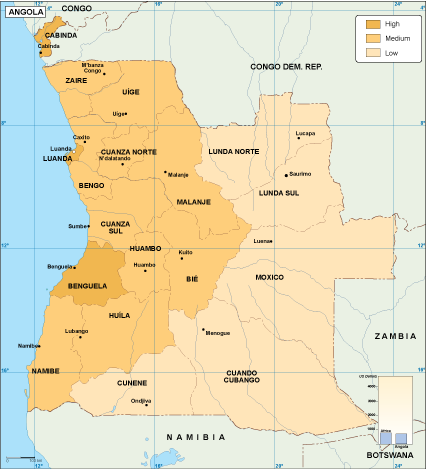
From the fertile lands of the north to the vast savannas and deserts of the south, Angolan identity was forged in resistance and the preservation of rich cultures. This human mosaic extends to all corners: the heritage of the Bakongo in the north; the tenacity of the Ambundu and the military genius of the Imbangala in the north-central region; the commercial mastery of the Ovimbundu on the central plateau and west coast; the art and expansion of the Cokwe in the east; and the ancestral resilience of the Nyaneka-Humbi, Ovambo, and Herero peoples in the south.
Today, this heritage of self-determination is reflected in a vibrant nation that looks to the future without forgetting its roots. Modern Angola is a meeting of modernity and tradition, where the pulse of contemporary culture echoes the strength of a people who have always been masters of their own destiny. Amidst growing infrastructure and innovative youth remains the unshakable spirit of hospitality and unity. The country asserts itself as a power, driven by the wealth of its land and, above all, by the dignity of those who carry in their chest a legacy of ancient freedom.